
by Dr. Shahridan Faiez
During the recent Aidiladha celebrations, Malaysians found themselves embroiled in a strange controversy.
What should have been a season devoted to sacrifice, gratitude and the unity of the ummah instead became a national argument over a Rohingya community’s ‘korban’ activities.
The issue itself was relatively minor. Yet within days, social media transformed it into a nationwide controversy. Emotions ran high. Online petitions gathered hundreds of thousands of signatures. Even the Prime Minister was compelled to comment.
At around the same time, anti-immigrant demonstrations erupted in parts of England following the Henry Nowak case. In Belfast, violent riots broke out after a stabbing incident involving a refugee.
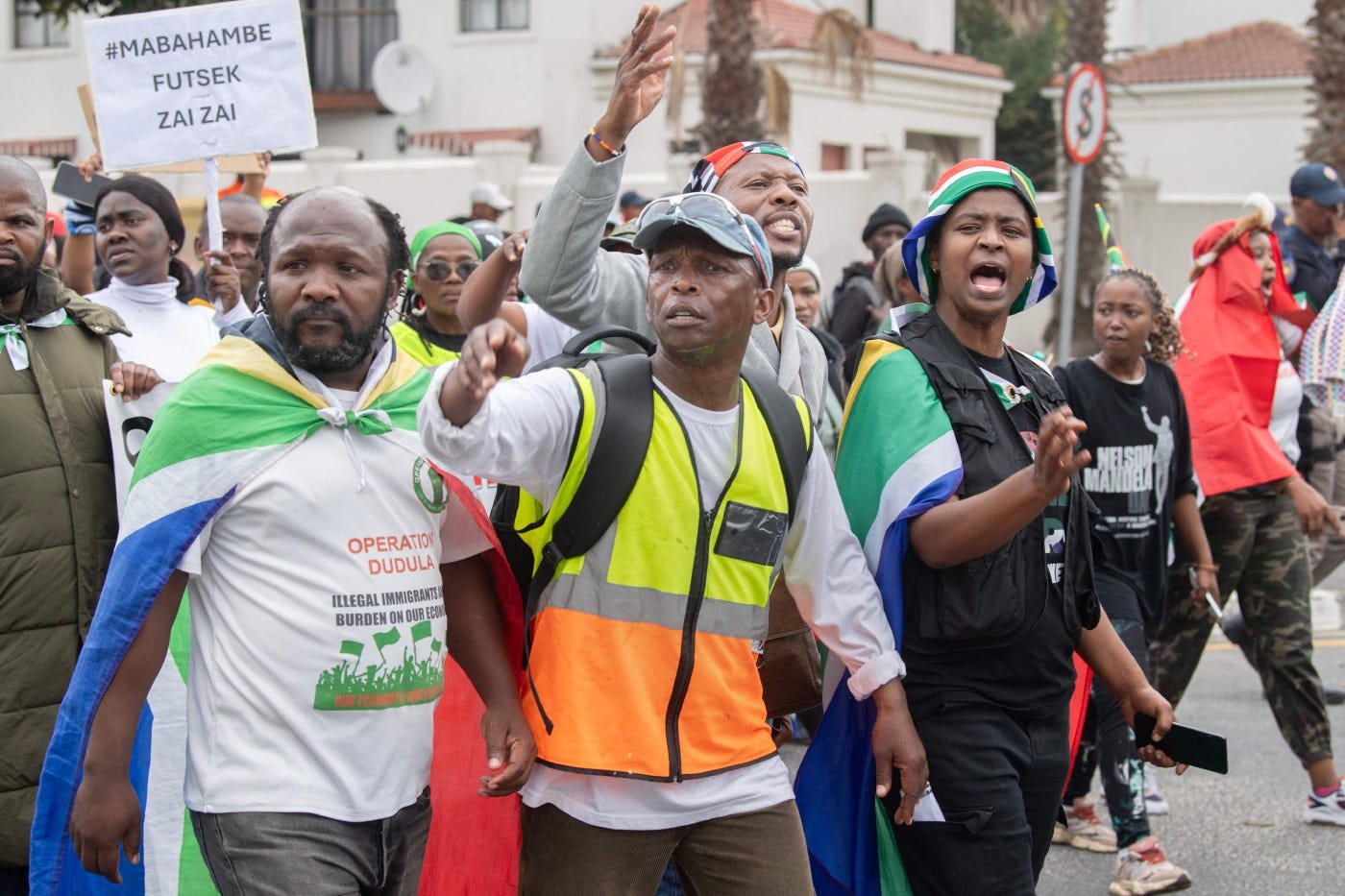
Meanwhile, South Africa witnessed a renewed surge of xenophobic unrest targeting migrants from elsewhere on the African continent.
Across different countries, involving different communities and different circumstances, remarkably similar narratives emerged: immigrants were portrayed as threats to security, culture and national identity. And public reaction was almost identical – manufactured outrage, rapid polarisation, and political instability.
This is not a coincidence. We are not witnessing isolated outbursts of local grievance. We are witnessing the emergence of a Global Narrative Complex – an unchecked, billionaire-owned information arsenal that now poses a direct and growing threat to the national stability and sovereignty of the Global South.
History teaches us that control over media is control over power. The printing press enabled the Protestant Reformation. Anti-colonial newspapers like Utusan Melayu and underground radio stations like Radio Rimba Raya mobilised resistance across the Malay archipelago.
But crucially, those technologies were replicable. Communities could start their own presses and craft their own counter-narratives.
Today’s media technology is fundamentally different. The digital public square is a privately owned monopoly. Building a rival to Meta, Google, X, or TikTok requires billions in infrastructure and AI capabilities.
Network effects ensure everyone stays on the same platforms. For the first time in history, a handful of Silicon Valley corporations determine the flow of information for the majority of humanity – and they are accountable to no electorate, no nation-state, and no moral code beyond quarterly returns.
Their algorithms are optimised for one thing: engagement. Anger, fear, and outrage generate engagement. Nuance and context do not. Consequently, we have industrial-scale emotional manufacturing. A minor dispute becomes a national crisis. A crime becomes evidence of civilisational decline. A grievance becomes a violent mob.
If this were merely a technical problem, it could be fixed with better regulation.
But we must name the deeper structural threat: the concentration of power in the hands of a transnational elite – what we might call the Epstein Class.
These are not just CEOs; they are hyper-wealthy individuals whose financial and social networks span politics, intelligence, finance, and media.
Elon Musk owns X. Jeff Bezos owns The Washington Post. Rupert Murdoch’s empire still shapes elections. These individuals command vast, unaccountable influence over what billions of people see, believe, and fear.
Historically, a newspaper owner could only influence the readers of that paper. Today, this class controls content, distribution, algorithms, and audience data simultaneously.
They influence not only what we read, but what we do not see. They suppress some narratives while algorithmically amplifying others, often to serve their broader geopolitical or financial interests.
This includes supporting the genocide in Gaza, profiteering from the West Asian conflict, promoting economic strangulation in Cuba, undermining democratic institutions, and shaping a vision for western neo-imperialism.
They face no elections, no term limits, and no meaningful antitrust enforcement. Their behaviour is unchecked, and our societies are their experimental laboratories.
The threat to sovereignty is compounded by economics. Google, Meta, and Amazon command a dominant share of global digital advertising. Revenues that once sustained national journalism in Kuala Lumpur, Nairobi, and Jakarta now flow overwhelmingly to these foreign platforms.
As domestic media weakens, our societies become intellectually dependent on information systems designed in Tel Aviv, governed in Silicon Valley, and monetised in New York.
A country that cannot sustain its own journalists cannot shape its own narratives. A country that cannot shape its own narratives increasingly finds its national identity and social cohesion dictated by external algorithms.
This is the new colonialism – not a military occupation, but an information occupation. Thus, the Global South must reclaim its narrative sovereignty before Silicon Valley algorithms dictate our social cohesion.
Why is the Global South particularly vulnerable?
We are younger, more digitally connected, and politically more fragile. We possess deep ethnic, religious, and linguistic fault lines that are easily exploited by viral misinformation.
A minor adjustment to an algorithm in California can inflame sectarian tensions in Myanmar, stoke anti-foreigner hatred in South Africa, or destabilise democratic discourse in Malaysia.
We invest billions in military security, food security, and energy security. Yet we have negligently left our information security unprotected.
We have allowed a handful of foreign billionaires to become the gatekeepers of our national stability. This is a catastrophic strategic failure.
The Global South must treat media sovereignty as a matter of survival. We cannot dismantle the global platforms overnight, but we can build resilience. Policymakers must act on three urgent fronts.
First, strengthen domestic media ecosystems through subsidy mechanisms and tax incentives. A nation without a thriving local press is a nation already conquered.
Second, regulate with regional force. Isolated national regulations are easily crushed.
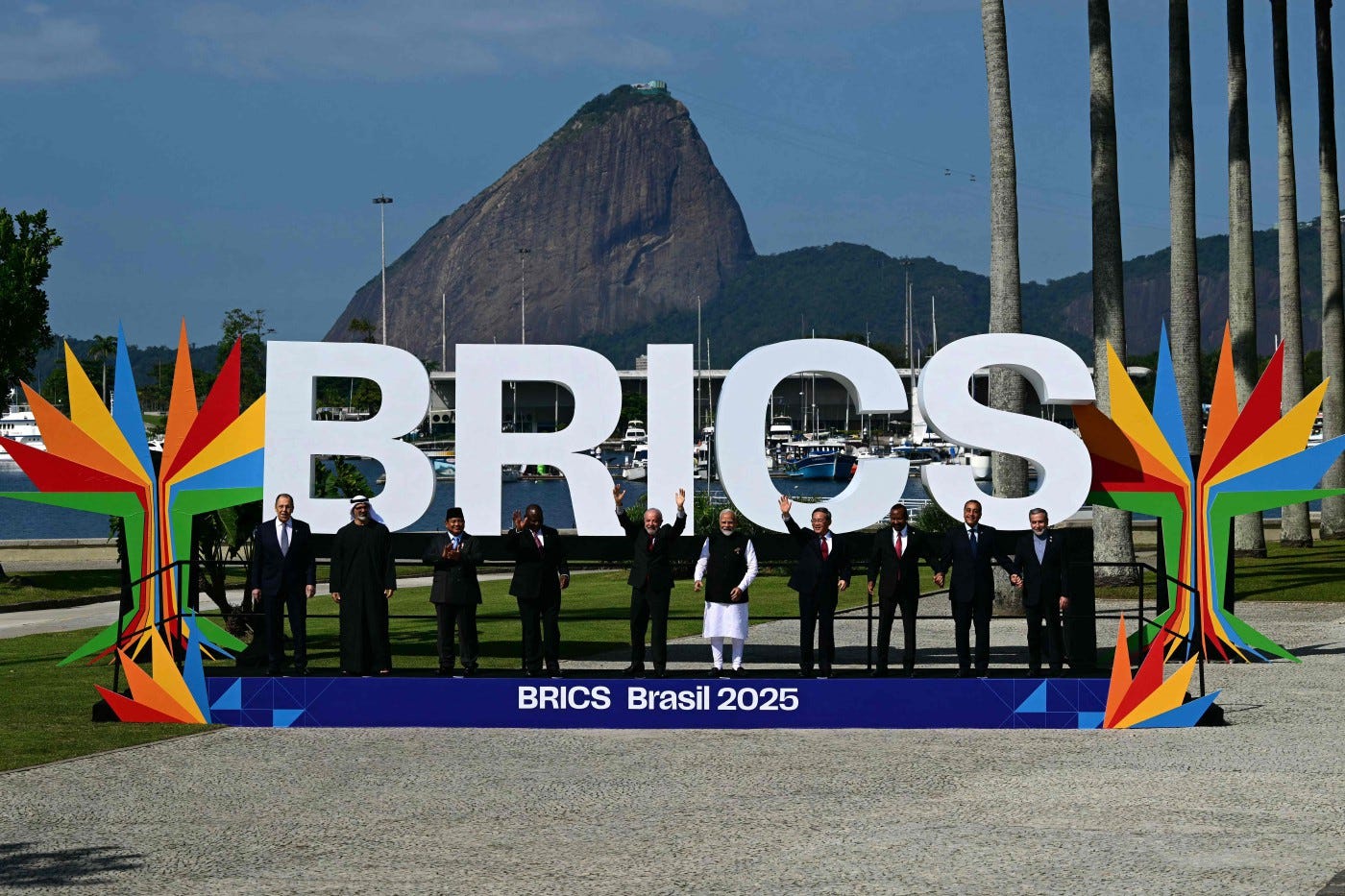
We must form coalitions – through Asean, the African Union, and BRICS – to collectively demand algorithmic transparency, curb digital advertising monopolies, and force platforms to adhere to local public interest standards.
Third, treat information as a strategic resource. Just as the Global South demanded a New International Economic Order in the 1970s, we must now demand a New International Information Order.
We cannot allow the “Epstein Class” and their trillion-dollar corporations to dictate the terms of our social cohesion and national solidarity.
The riots in Belfast, the xenophobic flare-ups in South Africa, and the Rohingya controversy in Malaysia are not outliers. They are the warning shots of a new era.
If the 20th century was defined by struggles over territory, the 21st century will be defined by struggles over attention and narrative.
A country that cannot control its own stories cannot control its own destiny. It is time we reclaim our narratives before they are permanently stolen from us.
* Dr. Shahridan is chairman of Citizen’s International, a civil society organisation based in Penang dedicated to the pursuit of peaceful coexistence and global cooperation in a just world.


